The Craftsmanship Behind Contemporary Indian Fashion Trends
- sushmitasaha107
- 1 day ago
- 3 min read
In recent years, Indian fashion has experienced a remarkable transformation, blending traditional craftsmanship with modern aesthetics. This evolution reflects not only the rich heritage of India but also the innovative spirit of contemporary designers. As we delve into the craftsmanship behind contemporary Indian fashion trends, we will explore the intricate techniques, cultural influences, and the stories that shape this vibrant industry.
The Roots of Indian Fashion
Historical Context
Indian fashion is deeply rooted in its history, with influences from various dynasties, cultures, and regions. The Mughal era, for instance, introduced luxurious fabrics and intricate embroidery techniques that are still celebrated today. Traditional garments like sarees, lehengas, and kurtas have evolved over centuries, adapting to changing tastes while retaining their cultural significance.
Cultural Significance
Fashion in India is not merely about clothing; it is a reflection of identity, tradition, and social status. Each region boasts its unique styles, colors, and fabrics, often tied to local festivals and rituals. For example, the vibrant colors of Rajasthani attire symbolize joy and celebration, while the subtle elegance of Kanjeevaram sarees from Tamil Nadu represents grace and sophistication.
The Art of Craftsmanship
Handloom Weaving
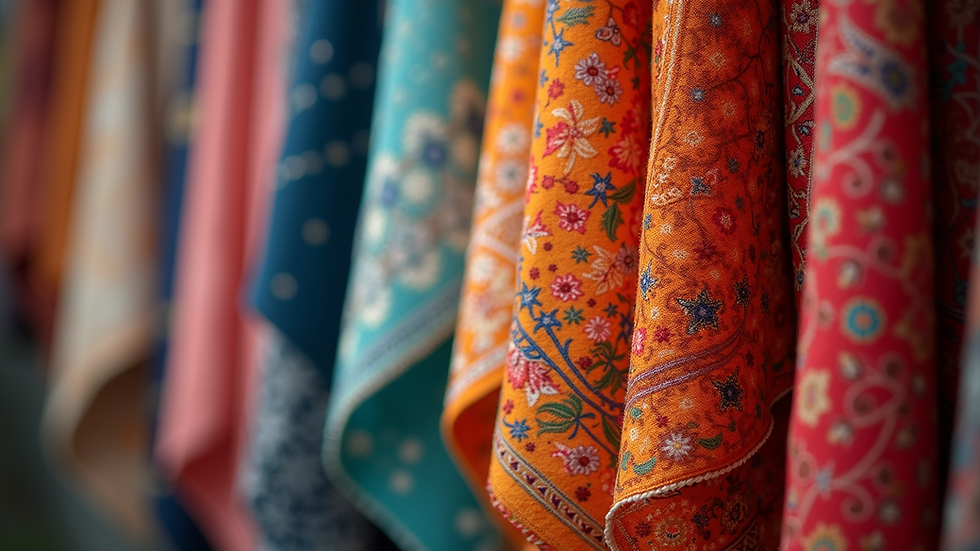
One of the most significant aspects of Indian fashion is handloom weaving. This age-old technique involves weaving fabrics by hand on traditional looms, resulting in unique textures and patterns. States like West Bengal, Gujarat, and Uttar Pradesh are renowned for their handloom products, which often feature intricate designs and vibrant colors.
Case Study: Banarasi Sarees
Banarasi sarees, originating from Varanasi, are a prime example of handloom craftsmanship. These sarees are known for their rich silk fabric and elaborate gold and silver brocade work. The meticulous process of creating a Banarasi saree can take several weeks, showcasing the dedication and skill of the artisans involved.
Embroidery Techniques
Embroidery is another hallmark of Indian fashion, with various styles reflecting regional identities. Techniques such as Zardozi, Chikan, and Kantha have been passed down through generations, each telling a story through its intricate designs.
Example: Chikan Embroidery
Chikan embroidery from Lucknow is characterized by its delicate and intricate patterns, often featuring floral motifs. This technique involves a series of stitches that create a textured effect on the fabric. Designers today are incorporating Chikan embroidery into contemporary silhouettes, bridging the gap between tradition and modernity.
Contemporary Influences
Fusion Fashion
The rise of fusion fashion has significantly impacted contemporary Indian trends. Designers are blending traditional elements with Western styles, creating unique garments that appeal to a global audience. This fusion allows for greater creativity and experimentation, resulting in innovative designs that resonate with younger consumers.
Notable Designers
Designers like Anita Dongre and Sabyasachi Mukherjee are at the forefront of this movement, skillfully merging traditional craftsmanship with modern aesthetics. Their collections often feature contemporary silhouettes adorned with traditional embroidery and fabrics, making them popular choices for weddings and festive occasions.
Sustainable Practices
As awareness of environmental issues grows, many Indian designers are embracing sustainable practices. This shift includes using eco-friendly materials, promoting ethical labor practices, and reviving traditional crafts that may have otherwise faded away.
Example: Upcycled Fashion
Brands like Doodlage are leading the way in upcycled fashion, creating stylish garments from textile waste. This approach not only reduces waste but also highlights the importance of sustainability in the fashion industry.
The Role of Technology
Digital Platforms
The advent of technology has revolutionized the Indian fashion landscape. Online platforms allow designers to showcase their work to a global audience, breaking geographical barriers. Social media has become a powerful tool for marketing, enabling designers to connect with consumers directly.
E-commerce Growth
The growth of e-commerce has also transformed how consumers shop for Indian fashion. Websites like Myntra and Ajio offer a wide range of traditional and contemporary garments, making it easier for consumers to access diverse styles from the comfort of their homes.
The Future of Indian Fashion
Embracing Diversity
The future of Indian fashion lies in embracing diversity and inclusivity. Designers are increasingly recognizing the importance of representing various cultures, body types, and identities in their collections. This shift not only reflects societal changes but also enriches the fashion narrative.
Global Influence
As Indian fashion continues to gain international recognition, collaborations with global designers are becoming more common. These partnerships foster cross-cultural exchanges, resulting in innovative designs that celebrate the best of both worlds.
Conclusion
The craftsmanship behind contemporary Indian fashion trends is a testament to the rich heritage and innovative spirit of the industry. By blending traditional techniques with modern aesthetics, Indian designers are creating a vibrant fashion landscape that resonates with consumers worldwide. As we move forward, the focus on sustainability, diversity, and global collaboration will shape the future of Indian fashion, ensuring that it remains a dynamic and influential force in the global fashion arena.
As you explore the world of Indian fashion, consider supporting local artisans and sustainable practices. Every purchase can contribute to preserving the rich tapestry of craftsmanship that defines this beautiful industry.

Comments